Masicha: A Playful Handwritten Font for Creative Projects
When a design project calls for warmth, personality, and a distinctly human touch, the choice of typeface becomes critical. Many projects get lost in a sea of sterile, overly geometric fonts, missing an opportunity to connect on an emotional level. This is where a character-rich script font like Masicha enters the conversation. It’s a modern handwritten typeface that manages to feel both spontaneous and carefully crafted, offering a versatile tool for designers and creators looking to inject authenticity into their work.
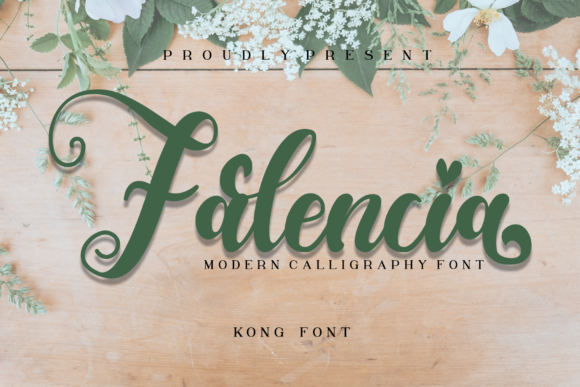
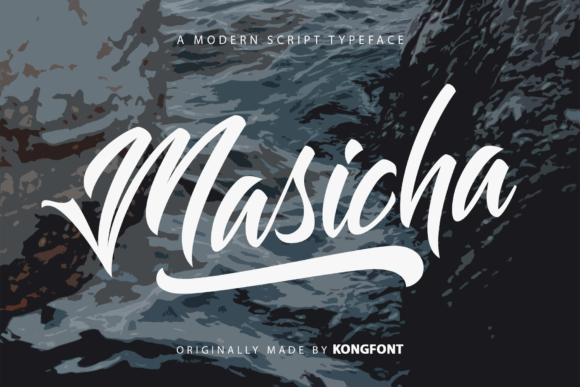
Masicha’s visual character is defined by its fluid, bouncy baseline and consistent, medium-weight strokes. Unlike some handwritten font styles that can appear messy or childish, Masicha maintains a legible and polished aesthetic. The letters connect with natural-looking ligatures, giving the impression of swift, confident handwriting. This balance is key; it provides the organic feel of a personal note without sacrificing the clarity needed for professional applications. Created by Kong Font Studio, this premium font is designed to be a workhorse for creative professionals, not just a decorative afterthought.
Where Masicha Truly Shines
The true test of any creative font is its real-world application. Masicha’s playful yet sophisticated style makes it exceptionally versatile. In logo design, it can form the core of a brand’s identity for businesses that want to appear approachable and artisanal. Think of a boutique bakery, a custom stationery shop, or a lifestyle blogger—the font immediately conveys a sense of care and creativity. Its strength in packaging design is similarly clear, where it can make product labels feel personal and premium, standing out on a crowded shelf.
Beyond branding, Masicha excels in editorial design and social media graphics. It’s perfect for pull quotes, chapter titles, or Instagram story overlays that need to grab attention quickly. For web design, it can be used sparingly for headings or calls-to-action to break the monotony of standard sans serif font or serif font body copy, adding a splash of personality to a digital space. Crafters and hobbyists will also find it invaluable for projects like wedding invitations, greeting cards, and custom apparel, where its charm can be fully appreciated.
Practical Guidance for Using Masicha
Choosing a font like Masicha is just the first step. Using it effectively requires some strategic thinking. First, consider the project’s tone. Masicha is ideal for contexts that value friendliness and creativity, but it may not be the best choice for highly formal or technical documents. Always test it at the size you intend to use. While it’s highly legible for a display font, its handwritten nature means very small sizes in dense body text could strain readability.
One of the most important aspects of working with any script font is font pairing. Masicha’s expressive character means it pairs best with simple, neutral companions. A clean sans serif font like Montserrat or a classic serif font like Lora can provide a perfect counterbalance, creating a clear visual hierarchy without competing for attention. Avoid pairing it with other ornate or decorative typefaces.
Before diving into a project, take time to explore all the design assets included with Masicha. As a PUA-encoded font, it offers easy access to a full set of glyphs and ligatures. This allows for nuanced customization, enabling you to swap out specific letter combinations for more stylistic alternatives to perfect a wordmark or headline. This feature is crucial for achieving a truly custom look and strengthening your brand identity. Finally, ensure you understand the licensing. Masicha is a commercial font, so reviewing the terms on its Creative Fabrica page is essential for any professional use, whether for a client project or your own business.
In the landscape of modern typography, Masicha carves out a valuable niche. It’s a tool that understands the need for human connection in design. By leveraging its playful spirit thoughtfully—with careful pairing, strategic application, and attention to its full feature set—you can create work that feels both professionally polished and genuinely engaging. It’s a reminder that the right typeface doesn’t just display words; it helps tell a story.