Grace Rilley: A Modern Handwritten Font for Creative Projects
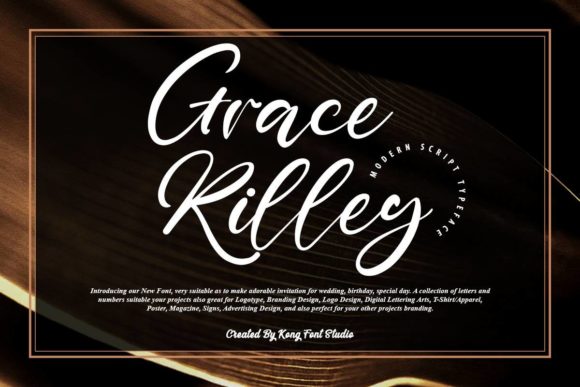
Finding a typeface that feels both personal and polished can be a real challenge. You want something with character, a font that doesn't look like it rolled off a generic assembly line. This is where a resource like Grace Rilley enters the picture. It’s a modern and playful handwritten font designed by Kong Font Studio, and it strikes a specific chord for creatives who need a touch of authenticity in their work. Think of it as the typographic equivalent of a warm, confident signature—it has personality, but it's still clear and intentional.
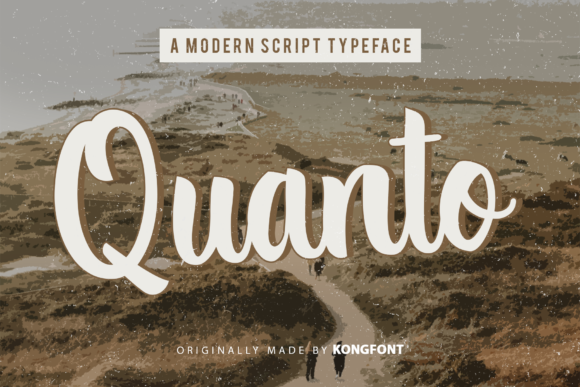
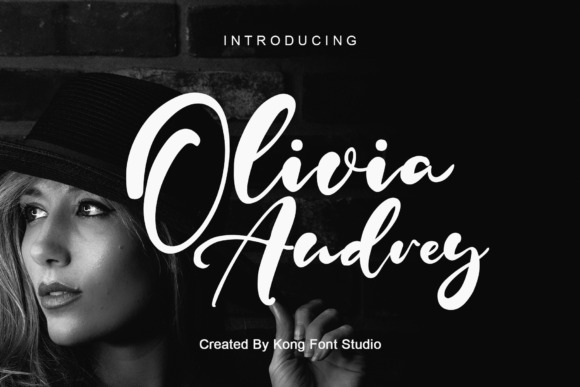
The visual profile of Grace Rilley is defined by its fluid, natural strokes. It avoids the overly rigid or "perfect" look of some script fonts, instead embracing the slight irregularities you’d find in genuine handwriting. This gives it a friendly, approachable vibe. The letterforms have a consistent baseline and x-height, which is crucial—it maintains that casual feel without sacrificing legibility. It’s not a formal calligraphy font; it’s a modern typography choice that feels fresh, energetic, and contemporary. This balance makes it a versatile creative font for a range of applications where you want to inject some humanity and warmth.
Where This Handwritten Font Truly Shines
The real test of any design asset is how it performs in the wild. Grace Rilley’s playful nature makes it particularly effective in contexts where connection and engagement are paramount. It’s a natural fit for logo design for small businesses, especially those in lifestyle, wellness, food, or boutique retail. Imagine it on a logo for a local bakery, a yoga studio, or a handmade jewelry brand—it immediately sets a welcoming and creative tone.
Beyond logos, its strengths extend into packaging design. On a product label for artisanal goods, a coffee bag, or a scented candle, this font can communicate care and craftsmanship. For editorial design, it works beautifully for pull quotes, chapter headings, or subheadings in magazines and blogs, adding visual interest and breaking up blocks of text. In the digital realm, it’s a strong contender for social media graphics. Its personality helps posts stand out in a crowded feed, making it ideal for quotes, announcements, or call-to-action overlays. It’s also compatible with common tools like Photoshop and Silhouette Design Studio, which is a practical consideration for crafters and designers who use these platforms daily.
Making It Work: Pairing and Practicality
A font rarely works in isolation. The key to using Grace Rilley effectively is thoughtful font pairing. Because it’s a display font with a strong personality, it’s generally best used for headlines, logos, or short bursts of text. For body copy, you’ll want to pair it with something more neutral and highly readable. A clean sans serif font is a classic companion—the simplicity of the sans serif provides a calm backdrop that lets the handwritten font’s character pop without creating visual noise. Alternatively, a simple, traditional serif font can create an interesting contrast between the organic and the structured.
When evaluating it for a project, consider the overall brand identity you’re building. Does the font’s playful, modern spirit align with the brand’s voice? Test it in context. Mock up a logo, a social media post, or a product label. Check the readability at the size it will be used. While it’s designed for clarity, very small sizes in body text could diminish its impact. Also, review the license provided by the creator, Kong Font Studio. Understanding the terms of use for your specific project—whether personal or commercial—is a non-negotiable step in professional practice.
Ultimately, Grace Rilley is a tool for adding a specific kind of warmth and approachability. It’s not the right choice for a corporate annual report, but for a project that needs to feel human, creative, and engaging, it’s a premium font worth considering. It helps bridge the gap between a fully digital aesthetic and the personal touch of a handwritten note, making it a valuable addition to a designer’s toolkit for the right kind of project.