Kenthir: The Handwritten Font That Balances Playfulness and Polish
In a world saturated with sleek sans serifs and traditional serifs, sometimes you need a typeface that feels like it was made by a human hand, not a machine. That’s where Kenthir comes in. Designed by Kong Font Studio, this modern handwritten font strikes a rare balance: it’s playful enough to feel personal, yet structured enough to maintain professionalism. For designers, entrepreneurs, and creators, Kenthir offers a versatile tool for projects that need warmth without sacrificing clarity.
Visual Character: More Than Just a Script Font
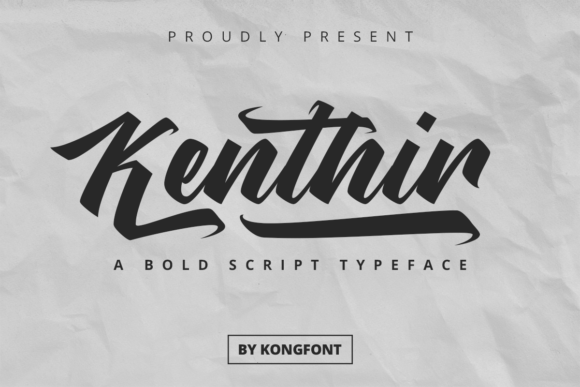
At first glance, Kenthir presents as a fluid, connected script font. Its letterforms flow with a natural, slightly bouncy rhythm that mimics real handwriting. You’ll notice smooth curves, consistent stroke weight, and subtle variations that prevent it from looking robotic. Unlike overly casual or messy handwritten fonts, Kenthir maintains legibility even at smaller sizes—a crucial factor for any creative font intended for real-world use.
What sets Kenthir apart is its modern sensibility. It avoids the overly ornate swirls of classic calligraphy fonts, opting instead for clean, approachable strokes. This makes it a strong contender for projects that need a personal touch without feeling dated. The overall personality is friendly, creative, and slightly whimsical, making it ideal for brands and content that want to connect on a human level.
Where Kenthir Shines: Practical Applications Across Projects
The true test of any typeface is how it performs in context. Kenthir’s balanced design makes it adaptable across a surprising range of applications. Here’s where it tends to work best:
- Logo Design and Brand Identity: For small businesses, boutiques, cafes, or personal brands, Kenthir can form the core of a brand identity. It injects personality into logos, wordmarks, and taglines. Pair it with a clean sans serif font for body text to create a professional yet approachable hierarchy.
- Packaging and Product Design: Kenthir excels on labels, boxes, and tags for artisanal goods, cosmetics, or specialty foods. Its handwritten quality suggests craftsmanship and care, which can significantly influence consumer perception.
- Digital and Social Media Graphics: In the fast-paced world of social media graphics, Kenthir helps posts stand out. Use it for quotes, announcements, or sale graphics where you want to grab attention while maintaining a relatable tone. It’s also effective for web design elements like hero section callouts or promotional banners.
- Editorial and Publishing: While not for long body copy, Kenthir can enhance editorial design. Think chapter titles in a cookbook, pull quotes in a magazine, or headers in a blog layout. It adds visual interest and breaks up blocks of text.
- Crafting and Personal Projects: Compatible with tools like Silhouette Design Studio, Kenthir is a favorite among crafters. It’s perfect for vinyl decals, greeting cards, wedding invitations, and custom apparel where a personal, handmade feel is desired.
Making It Work: Font Pairing and Design Strategy
Using a display font like Kenthir effectively requires thoughtful pairing. Because it’s a premium font with strong character, it shouldn’t be overused. The key is to let it serve as the accent, not the workhorse.
A classic strategy is to pair Kenthir with a neutral, geometric sans serif font like Montserrat or Lato for body copy. This creates a clear visual hierarchy: Kenthir draws the eye to headlines, while the sans serif ensures readability for paragraphs. For a more classic or elegant feel, you could pair it with a simple serif font like Georgia or Times New Roman, though this works best in more formal contexts.
Always test your font pairing in the actual context where it will be used. View it on a website mockup, a printed label, or a social media post template. Check that the contrast in style and size creates a pleasing rhythm without causing visual competition. Kenthir’s strength lies in complementing, not clashing with, its partners.
Practical Considerations for Designers and Entrepreneurs
Before integrating Kenthir into your next project, a few practical checks will ensure it’s the right design asset for the job.
- Evaluate Project Fit: Does your project’s tone align with Kenthir’s personality? It’s excellent for friendly, creative, or artisanal brands but might not suit highly corporate or technical contexts. Consider your audience and message first.
- Review Included Styles: Check what glyphs, alternates, and language support are included. A robust handwritten font often includes stylistic alternates or ligatures that can add variety to your typography and prevent repetitive letterforms.
- Test for Readability: Set a headline and a sub-headline in Kenthir. View it at different sizes and on various screens (or print it out). Ensure it remains legible, especially in all-caps or very small applications. The goal is charm, not confusion.
- Understand the License: Kenthir is a commercial font. Always review the licensing terms provided by the foundry or marketplace (like Creative Fabrica). Ensure the license covers your intended use, whether it’s for a single client project, unlimited commercial work, or physical products for sale.
Ultimately, Kenthir is more than just another creative font. It’s a tool for adding genuine warmth and personality to your designs. By understanding its strengths and applying it strategically, you can create work that feels both polished and authentically human. In the crowded landscape of modern typography, that’s a valuable advantage.