Hurry Up: The Retro Vibe Your Creative Projects Need
There is a specific kind of energy you find in mid-century design. It’s the rhythmic bounce of a Saturday morning cartoon or the confident, rounded geometry of a vintage diner menu. Capturing that nostalgic, quotidian aesthetic is a challenge, but it is exactly where the Hurry Up display font shines. This isn't just another typeface sitting in your library; it is a creative asset that channels the fun, playful, and quirky spirit of the 1960s. If you are looking to inject personality into your work without sacrificing legibility, understanding how to wield this style is essential for modern designers and business owners alike.
The Visual Character: More Than Just Letters
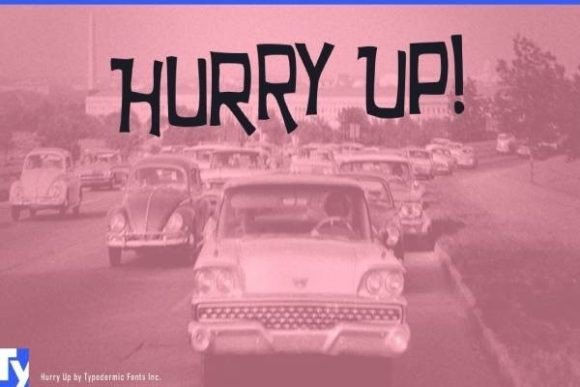
When we talk about a display font like Hurry Up, we are discussing a typeface designed to command attention at larger sizes. It is not built for body text in a novel; it is built for headlines, logos, and headers that need to communicate an emotion instantly. Visually, Hurry Up features soft, rounded terminals and a distinct mid-century curvature. It avoids the sharp, aggressive angles found in many modern geometric sans serif options. Instead, it opts for a friendly, approachable demeanor.
The personality of this premium font is undeniably casual. It feels hand-rendered but consistent, striking a balance between the precision of a sans serif font and the organic warmth of a handwritten font. This visual "imperfection" is actually its greatest strength. In a digital landscape dominated by sterile, cold typography, Hurry Up offers a human touch. It suggests that a brand or project is accessible, lighthearted, and perhaps a little bit nostalgic. Whether you are working on logo design or social media graphics, this typeface immediately sets a relaxed tone.
Strategic Applications: Where Hurry Up Fits Best
The versatility of a creative font lies in its ability to adapt to different mediums. Because Hurry Up carries such a specific retro vibe, it works exceptionally well in branding projects that aim to evoke trust, nostalgia, or a "mom-and-pop" artisanal quality. Think about product packaging design for organic snacks, craft beers, or boutique cosmetics. Using Hurry Up on a label can instantly communicate that the product inside is handcrafted and high-quality, helping to build a cohesive brand identity.
Beyond commercial goods, this font excels in editorial design and publishing. For bloggers and content creators, using Hurry Up for chapter titles, pull quotes, or magazine headers adds a layer of visual interest that standard system fonts lack. It is also a powerful tool for web design, particularly for lifestyle brands, wedding planners, or travel agencies. A hero image overlaid with text in Hurry Up feels inviting rather than corporate.
Consider these practical use cases where the font elevates the project:
- Wedding Stationery: Its playful nature makes it perfect for save-the-dates, invitations, and menus that want to feel celebratory rather than stiff.
- Merchandise: T-shirts, tote bags, and mugs often rely on bold, graphic typography. Hurry Up provides that retro aesthetic that sells well in the apparel market.
- Digital Advertising: In a crowded newsfeed, a quirky display font can stop the scroll. It works well for short, punchy headlines in banner ads.
- Photography Watermarks: For photographers, a watermark needs to be recognizable but not distracting. The casual style of Hurry Up protects images without ruining the composition.
Influence on Brand Perception and Engagement
Typography is silent communication. The font you choose dictates how your audience feels before they even read the words. Selecting Hurry Up for your design assets signals that your brand does not take itself too seriously, but it does take design seriously. It creates a sense of approachability. In marketing, this is crucial for engagement. If your audience perceives your brand as stiff or overly corporate, they may hesitate to engage. A playful typeface lowers the barrier to entry.
However, you must be mindful of visual hierarchy. Because Hurry Up is a display font, it competes for attention. If you use it for both your main headline and your sub-headers, the design can become chaotic. A common mistake is pairing a display font with another loud font. Instead, Hurry Up requires a grounding partner. Pairing it with a clean, neutral sans serif font or a classic serif font for body copy is the best practice. This contrast allows the personality of Hurry Up to pop without overwhelming the reader, ensuring your message remains readable.
Practical Implementation and Testing
Before you commit to a font, you need to test its fit. When evaluating Hurry Up for a project, do not just look at the letters in isolation. Type out your specific headlines. Look at how the kerning (the space between letters) handles your specific combination of characters. While modern typography software handles spacing well, display fonts often require manual tracking adjustments to look perfect at large sizes.
It is also important to review the commercial font licensing. If you are a small business owner using this for a client’s logo or a mass-produced product, you need to ensure you have the correct license. Most premium fonts come with specific terms regarding digital ads, print runs, and app usage. Respecting these terms protects you legally and supports the type designers who create these design assets.
When testing font pairing, try mixing styles. Since Hurry Up has a 1960s cartoon feel, it pairs surprisingly well with mid-century geometric sans serifs. However, it can also clash with very formal scripts or blackletter fonts. The goal is harmony. You want the typeface to enhance the message, not distract from it.
Final Thoughts on Readability
Readability is the golden rule of design. A font can be beautiful, but if the audience cannot read the message, the design fails. Hurry Up is legible because of its distinct letterforms, but it is still a creative font meant for short bursts of text. Avoid using it for long paragraphs or technical specifications. Use it for the emotional impact of a headline, then switch to a highly legible body font for the details. By respecting the font's strengths and limitations, you can use Hurry Up to create designs that are not only visually striking but also effective communication tools.