Letrial: The Industrial Extended Sans Serif Font
Understanding the Visual DNA of Letrial
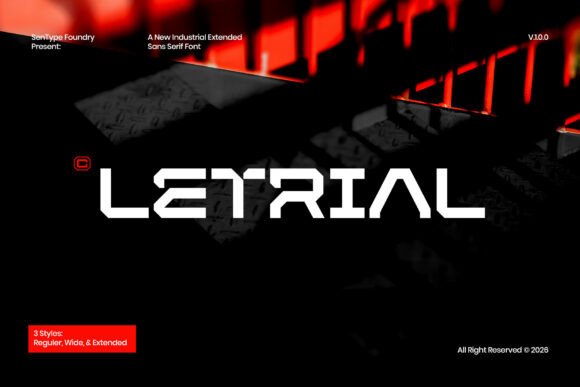
Letrial is a typeface that speaks the language of modern infrastructure and digital precision. As an industrial extended sans-serif font, it is characterized by its wide stance, geometric construction, and unyielding visual weight. Unlike standard sans serif fonts that aim for neutrality, Letrial asserts its presence through structural rigidity and expanded proportions. It does not whisper; it commands attention. The letterforms are engineered with a focus on high-impact stability, featuring consistent stroke widths and open counters that maintain legibility even at aggressive sizes. This is a display font built for headers, logos, and short bursts of critical information where clarity and authority are paramount.
The personality of Letrial is distinctly futuristic and robust. It feels at home in environments that value technology, strength, and forward momentum. When you look at the typeface, you can almost hear the hum of heavy machinery or the sleek interface of a high-end operating system. Its visual appeal lies in its ability to anchor a design layout, providing a solid foundation upon which other creative elements can be layered. It is a creative font that balances artistic expression with functional utility, making it a versatile design asset for a variety of projects.
Practical Applications for Designers and Brands
Knowing where to deploy a premium font like Letrial is key to maximizing its value. Its industrial aesthetic makes it a natural fit for specific niches, but its versatility extends further than you might initially think. Here are some practical scenarios where Letrial excels:
- Gaming and Entertainment: The font is an exceptional choice for futuristic sci-fi or cyberpunk video game UI headlines. Its extended width mimics the heads-up displays found in high-tech environments, making it perfect for menu screens, player stats, and promotional posters.
- Fashion and Streetwear: For brutalist streetwear clothing branding, Letrial provides the necessary edge. It pairs well with gritty textures and stark photography, offering a typeface that feels raw yet refined enough for commercial labels.
- Technology and Automotive: The structured geometry of the font resonates with high-octane automotive tech engineering logs and software interfaces. It suggests precision engineering and reliability.
- Events and Music: Use it for electronic music festival promotional banners or progressive athletic merchandise titles. The font’s energy matches the intensity of these environments.
Beyond these specific examples, Letrial works well in editorial design for magazine spreads focusing on architecture or industrial design. It is also a strong contender for packaging design where shelf presence is critical. If you are creating a tech startup’s brand identity, this font can serve as the primary logotype, establishing a modern and serious tone from the outset.
Strategic Font Pairing and Hierarchy
Using a bold display font like Letrial requires a thoughtful approach to font pairing. Because Letrial is so visually dominant, it rarely works well when paired with another strong typeface. Instead, look for companions that offer contrast without conflict. A clean, light-weight sans serif font for body text often works best, allowing the headlines to pop while ensuring the copy remains readable. Alternatively, a classic serif font can create a sophisticated juxtaposition, blending industrial modernism with traditional elegance.
When building a visual hierarchy, Letrial should typically occupy the top tier. Use it for your main headlines, sub-headers, and call-to-action buttons. Avoid using it for long paragraphs of body copy; its extended width can cause eye fatigue over long reading sessions. Instead, leverage its strength in short, impactful statements. In web design, this means using it for hero sections and navigation menus, while relegating the heavy lifting of content to a more legible typeface.
Evaluating Fit and Technical Considerations
Before integrating Letrial into your workflow, take a moment to evaluate if it fits the specific tone of your project. While it is a powerful tool, it is not a universal solution. If your project requires a soft, approachable, or whimsical vibe—such as a children's book or a boutique bakery brand—a script font or handwritten font would be more appropriate. Letrial is for projects that need to project strength, innovation, and structure.
Take advantage of the three distinct styles included: Regular, Wide, and Extended. The "Extended" style is particularly useful for creating massive, blocky headers that fill the screen, while the "Regular" style offers a slightly more condensed look for tighter spaces. Always test the font across different devices and mediums. Check how it renders on mobile screens versus desktop monitors, and if you are doing print work, print a test sheet to ensure the weight holds up on paper.
Finally, ensure you are clear on the commercial licensing. Most professional projects require a commercial license, especially for logo design, merchandise, and software distribution. Treating typography as a professional asset protects your business and respects the work of the type designers. By treating Letrial as a strategic component of your brand identity, you can create designs that not only look impressive but also communicate your message with undeniable authority.