Espresso Dolce: A Modern Sans Serif with a Soft Edge
There’s a particular challenge in finding a typeface that feels contemporary without being cold, and friendly without sacrificing clarity. Many modern sans serif fonts lean heavily into geometric rigidity, which can work for tech branding but often feels sterile for lifestyle, food, or creative industries. Then there are the overly rounded options that risk looking childish. Espresso Dolce, a sans serif font designed by Peter Wiegel, navigates that middle ground with remarkable grace. It’s a premium font that brings warmth to minimalism, making it a versatile tool for a wide range of creative professionals.
The Visual Character of Espresso Dolce
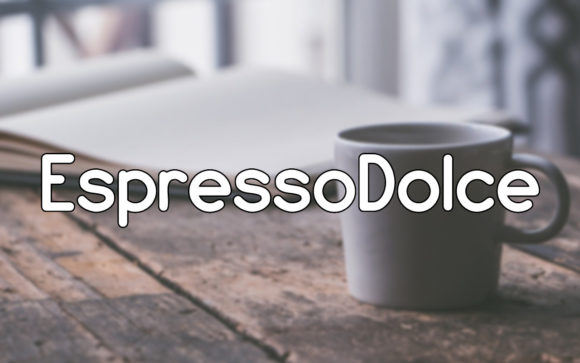
At first glance, Espresso Dolce is defined by its beautifully rounded characters. The terminals are soft, and the curves are generous, giving the entire typeface a gentle, approachable personality. It’s not a perfect circle-based geometric font, though. There’s a subtle humanist quality to its structure—the strokes have a consistent, medium weight that feels confident and stable, not wobbly or overly playful. This balance is what gives it a modern typography feel with a minimalistic vibe. It doesn’t scream for attention; instead, it invites the reader in with a quiet assurance.
Think of it as the typographic equivalent of a perfectly brewed cup of coffee: rich, smooth, and satisfying without any bitterness. The creative font avoids the harsh angles that can make some sans serifs feel aggressive. This makes it particularly effective for brands that want to project innovation and approachability simultaneously. It’s a font that feels current, clean, and exceptionally legible, even at smaller sizes.
Where This Typeface Truly Comes Alive
The true test of any design asset is its application. Where does a font like Espresso Dolce fit into your workflow? Its strength lies in its versatility, but it excels in contexts where clarity and personality are both required.
Branding and Logo Design
For logo design, Espresso Dolce offers a distinct advantage. It’s strong enough to be the primary logotype for a brand but has enough character to be memorable. Consider a boutique coffee roaster, a modern bakery, a lifestyle blog, or a wellness app. The font’s rounded terminals and clean lines communicate quality, care, and a contemporary sensibility. It pairs exceptionally well with a more traditional serif font for contrast in a brand identity system, or with a delicate script font for an elegant, feminine touch.
Digital and Print Applications
In web design and social media graphics, readability is paramount. Espresso Dolce maintains its clarity on screens, making it suitable for headlines, subheadings, and even longer blocks of text if used at an appropriate size. Its friendly demeanor can increase audience engagement by making content feel more accessible and less intimidating than a stark, industrial sans serif.
For editorial design and packaging design, the font shines. Imagine it on the cover of a cookbook, the label of a artisanal product, or the masthead of a modern magazine. It brings a cohesive, professional look that feels curated and intentional. The commercial font license allows for this broad usage, making it a practical investment for agencies and freelancers alike.
Practical Guidance for Implementation
Choosing a font is a strategic decision. Here’s how to evaluate if Espresso Dolce is the right fit for your project.
- Evaluate the Project’s Personality: Does your project need to feel innovative, clean, and approachable? If the goal is to appear ultra-corporate, traditional, or edgy, a different sans serif font might be better. But for a warm, modern, and human-centered feel, this is a strong candidate.
- Test Font Pairings: Don’t use it in isolation. Pull it into a mockup and see how it interacts with your other chosen typefaces. Try pairing it with a classic serif font like Garamond for elegant contrast, or with a bold, geometric sans serif for a dynamic, contemporary hierarchy. A handwritten font can also complement it for a more casual, artisanal vibe.
- Review the Included Styles: Check what weights and styles are included with the premium font package. A good family will offer light, regular, medium, and bold weights, allowing you to create a full visual hierarchy within your designs. This consistency is key to professional brand perception.
- Conduct Readability Checks: Always test the font in context. How does it look in a paragraph at 16px on a mobile device? Is the bold weight legible when used for a call-to-action button? The rounded forms of Espresso Dolce generally aid readability, but context is everything.
- Understand the License: Ensure the commercial font license covers your intended use—whether for a client’s logo, a product for sale, or a website. Peter Wiegel’s fonts often come with clear licensing, but it’s a crucial step for any professional project.
More Than Just a Font
In a crowded landscape of typefaces, Espresso Dolce stands out by offering a solution that doesn’t force a choice between modernity and warmth. It’s a creative font that can become a foundational element of a brand identity, influencing everything from the tone of marketing copy to the overall feel of a product package. By choosing a typeface with this kind of thoughtful design, you’re not just selecting letters; you’re crafting an experience for your audience. It’s the subtle detail that can make your creative ideas not just visible, but truly felt.